HVAC
Industrial HVAC Optimization Strategies | Hepa Humindo Prakarsa
Maintaining stable indoor climate conditions in food, beverage, and pharmaceutical manufacturing facilities goes far beyond standard air cooling. Inadequate control over temperature, humidity, and airflow patterns can lead to batch contamination, degraded raw materials, and excessive electricity consumption.
As an experienced industrial HVAC contractor, adopting an engineered, systemic approach ensures production floors comply with stringent hygiene regulations without inflating operational overhead.
1. Cleanroom Zoning and Particle Classification
In cleanroom system design, proper pressure differential zoning is fundamental. Positive air pressure must be sustained across core processing zones to prevent airborne dust, viable particulates, and external contaminants from infiltrating when access doors open.
Deploying multi-stage filtration—from Pre-Filters and Medium Filters to certified HEPA filters—delivers up to 99.97% capture efficiency on sub-micron particles. This setup remains the industry standard for maintaining consistent aseptic conditions in pharmaceutical and high-grade food manufacturing environments.
2. Streamlining Air Distribution via Air Handling Units (AHUs)
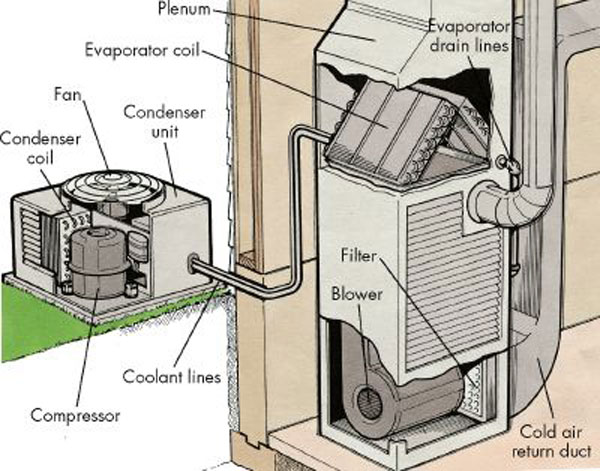
The air handling unit functions as the central respiratory system of an industrial facility. To curb energy waste across continuous operating cycles:
- Incorporate Variable Speed Drives (VSDs): Automatically regulate blower motor speeds according to real-time cooling loads rather than running continuously at full capacity.
- Specify High-Grade Thermal Insulation: Mitigate condensation risks on casing panels and eliminate thermal bridging along extended distribution runs.
- Implement Scheduled Filter Maintenance: Dust accumulation escalates static pressure, driving up fan power demand and unnecessary kilowatt-hour usage.
3. Precision Relative Humidity Control via Dehumidifiers
Excessive relative humidity (RH) causes powder clumping, active ingredient degradation in pharmaceutical formulations, and microbial proliferation within packaging suites.
Installing commercial dehumidification systems—utilizing either mechanical refrigeration or desiccant rotor technology—maintains tight humidity setpoints without requiring overcooling. Integrating dehumidifiers alongside primary chillers establishes a balanced microclimate suited for both process equipment and moisture-sensitive ingredients.
4. Thermal Exhaust Management at Process Heat Sources
Concentrated heat loads from industrial ovens, molding lines, and boilers quickly compromise central cooling performance if left unmanaged at the source.
Dedicated heat extraction and local exhaust ventilation (LEV) hoods capture high-temperature air directly from equipment before it disperses into conditioned spaces. Balancing targeted extraction with conditioned fresh air intake preserves indoor air quality for operators while keeping thermal loads off central refrigeration plant equipment.
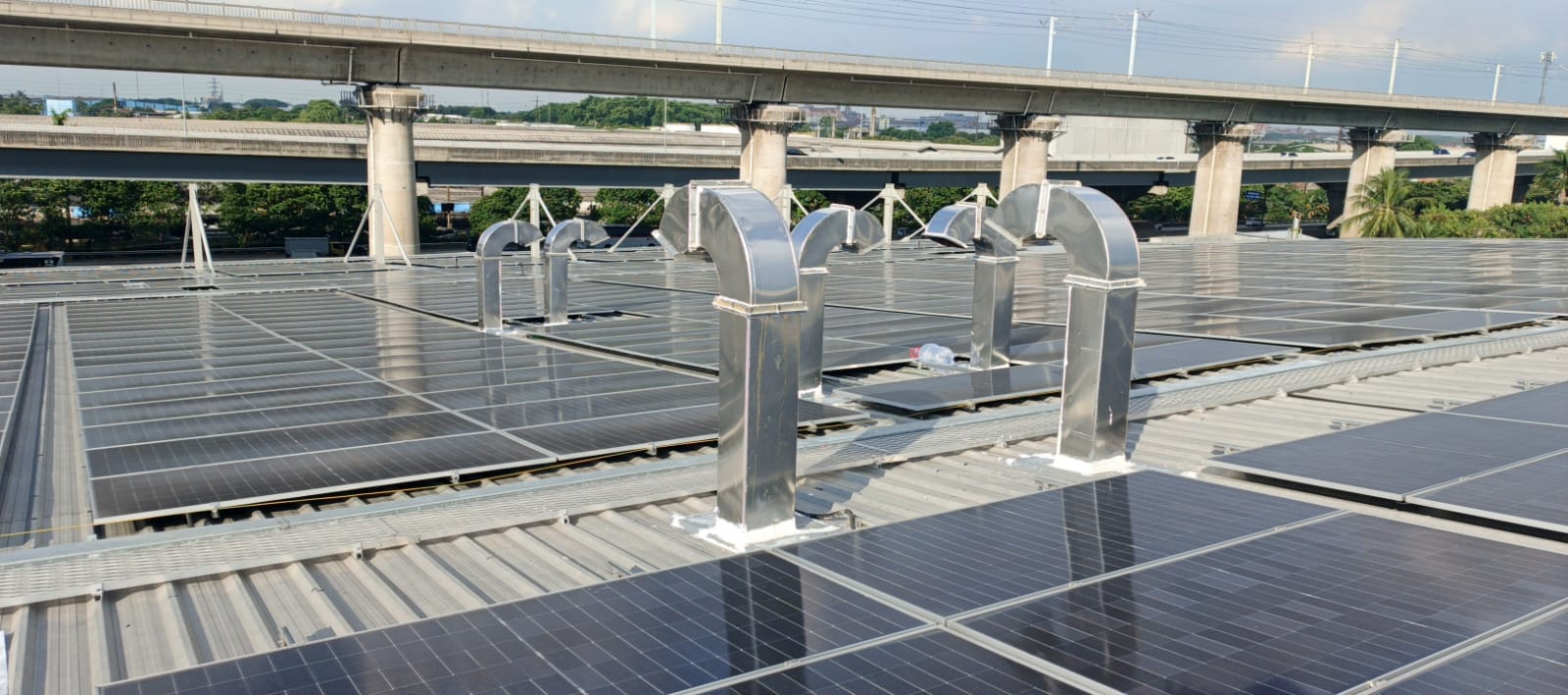
5. Aerodynamic Airflow Engineering by Ducting Contractors
System efficiency depends heavily on the physical geometry of air distribution networks. Collaborating with a qualified ductwork contractor ensures:
- Sizing cross-sectional duct dimensions to match design airflow rates (CFM) while avoiding turbulent noise generation.
- Selecting appropriate materials, such as galvanized sheet steel (BJLS) or sanitary food-grade stainless steel for washdown environments.
- Calibrating balancing dampers and diffusers to guarantee uniform airflow supply across every zone of the processing floor.
Consult on Your Facility's Industrial HVAC Requirements
Developing a dependable industrial climate control system requires thorough engineering assessments and precise design calculations. Discuss your cleanroom construction, equipment procurement, and facility energy audits with the engineering specialists at PT Hepa Humindo Prakarsa through our Contact Page or directly via our technical consultation channels.